
Corita Kent: Learning by Heart
Corita Kent (1918–1986) was an artist, educator, and nun who spent her career arguing that creativity isn't a gift. It's something most people have been talked out of.

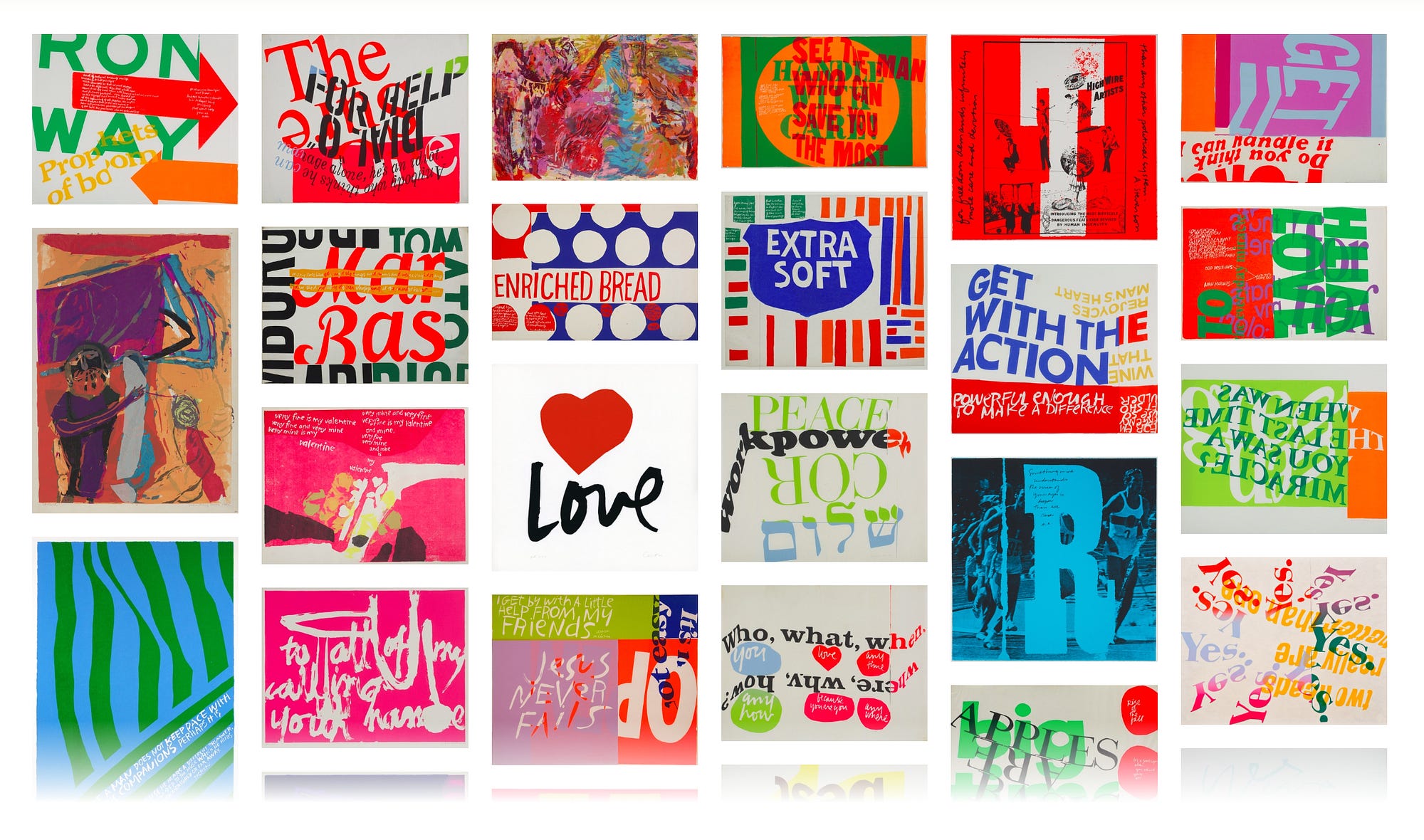
Born as Frances Elizabeth Kent, she entered the Immaculate Heart of Mary religious order at 18 and eventually headed the art department at Immaculate Heart College in Los Angeles. By the 1960s, her serigraphs were drawing international acclaim, pulling from advertising slogans, song lyrics, biblical verses, and street language. She chose screen printing as her primary medium deliberately. She wanted art affordable enough for anyone to own.
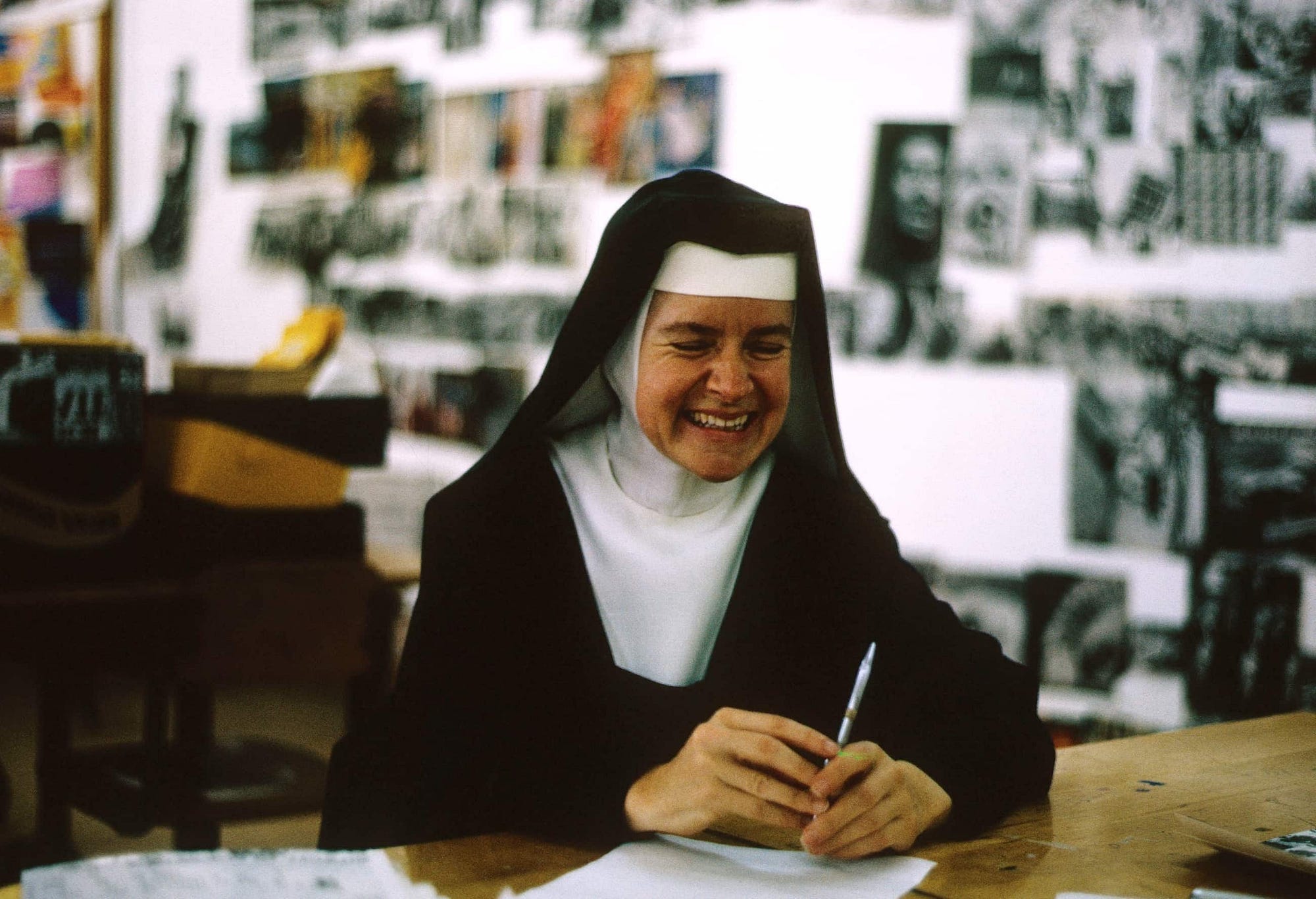
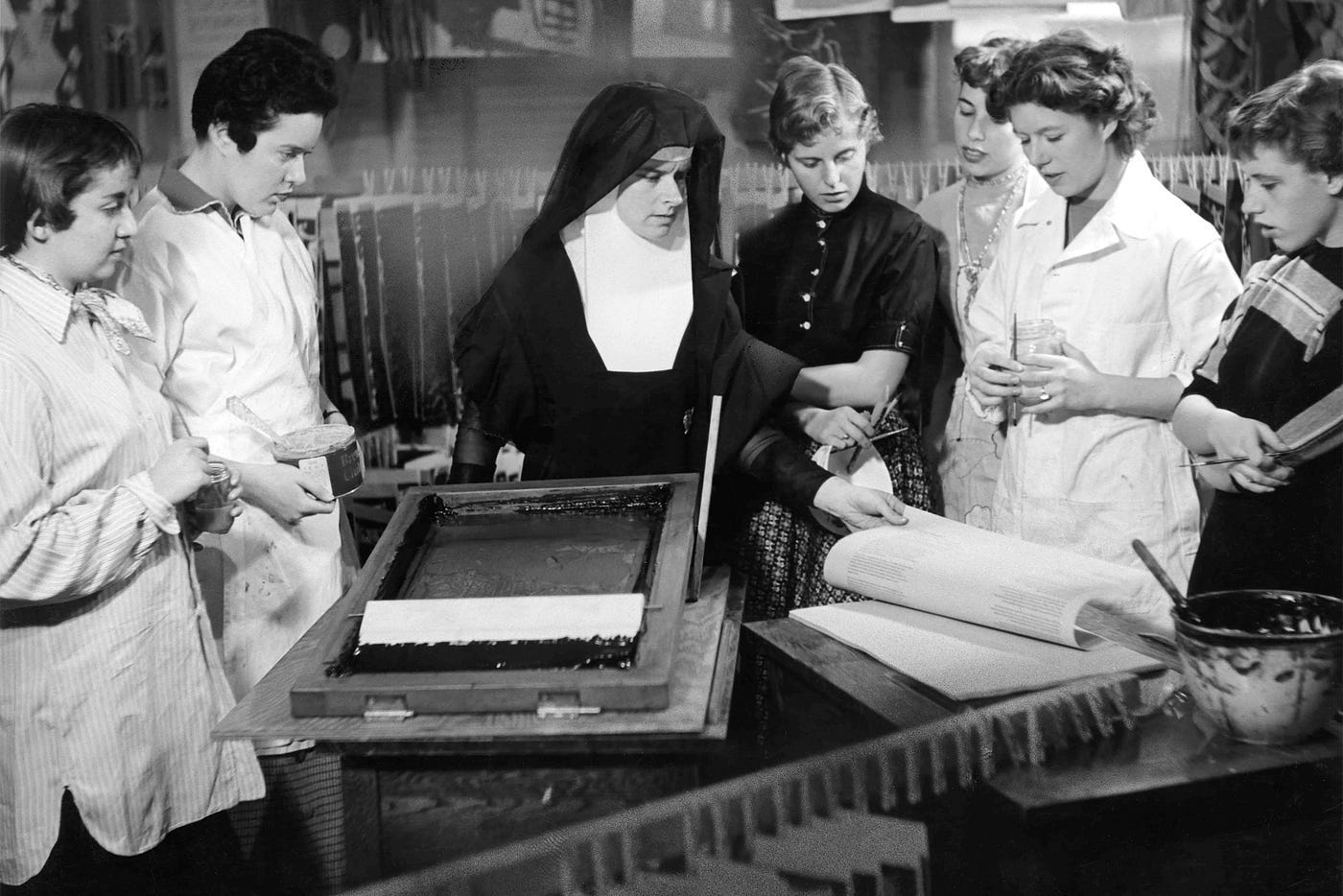
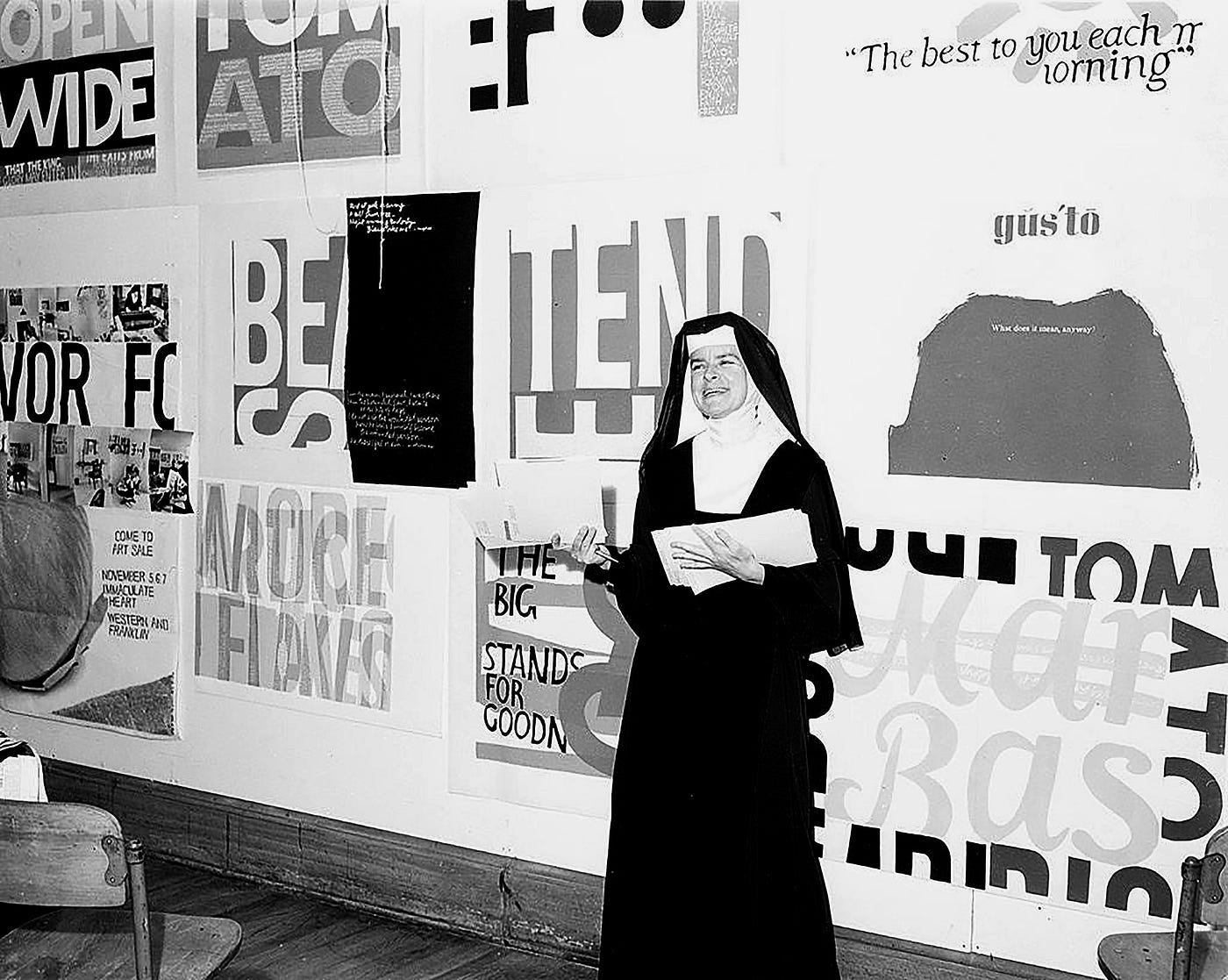
Corita challenged the church and the art world with her expressive creations, stirring a remarkable disruption, and offered fundamental principles, tools, and techniques to enhance and encourage artistic creativity.
Her art stood as a testament to her activism, weaving together vibrant visuals and spiritually-rooted social commentary to passionately advocate for love and tolerance. Through the ‘60s, she became increasingly political, addressing poverty, racism, and war with visual directness. In 1968, she left the order and moved to Boston.
The work that lasted
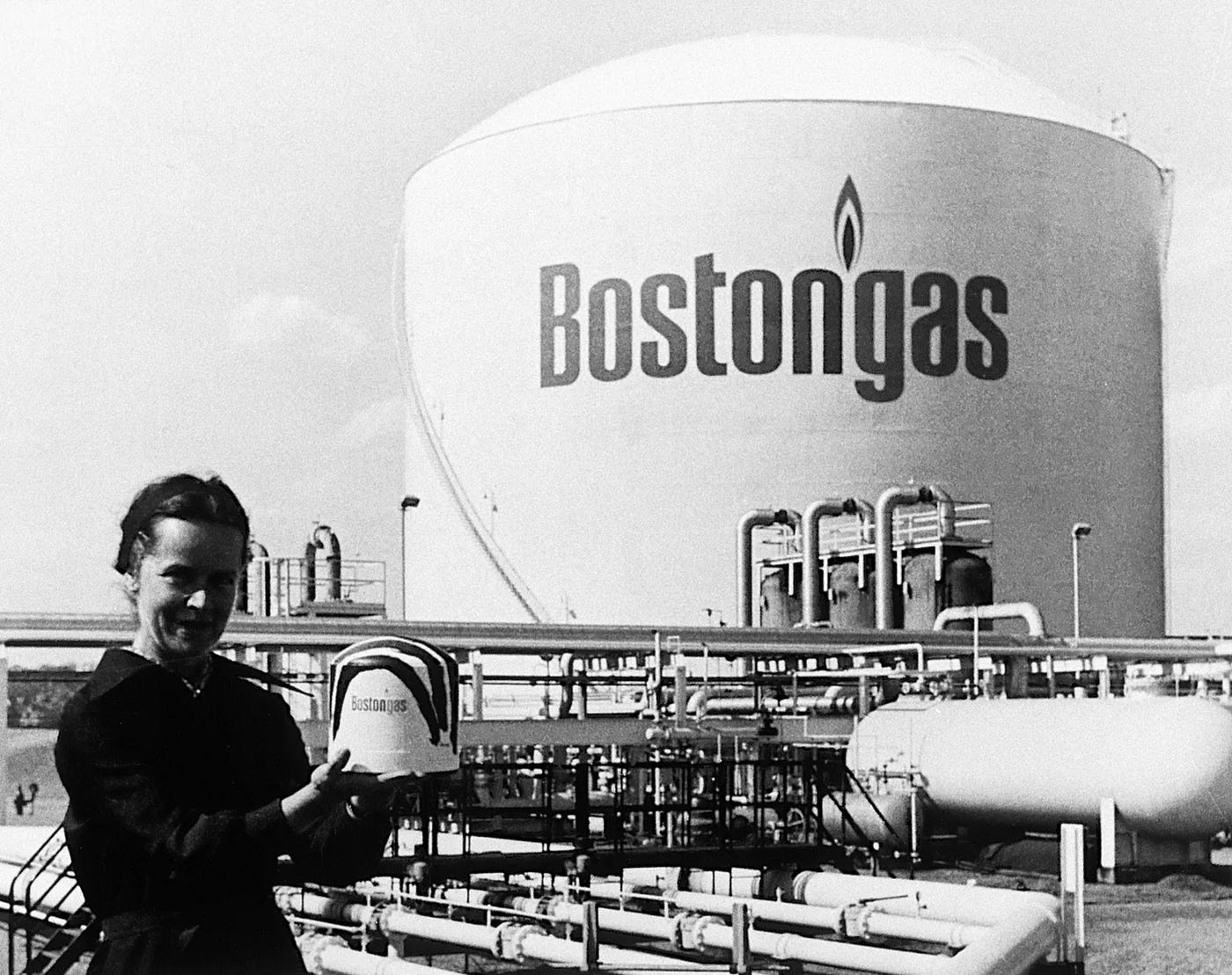
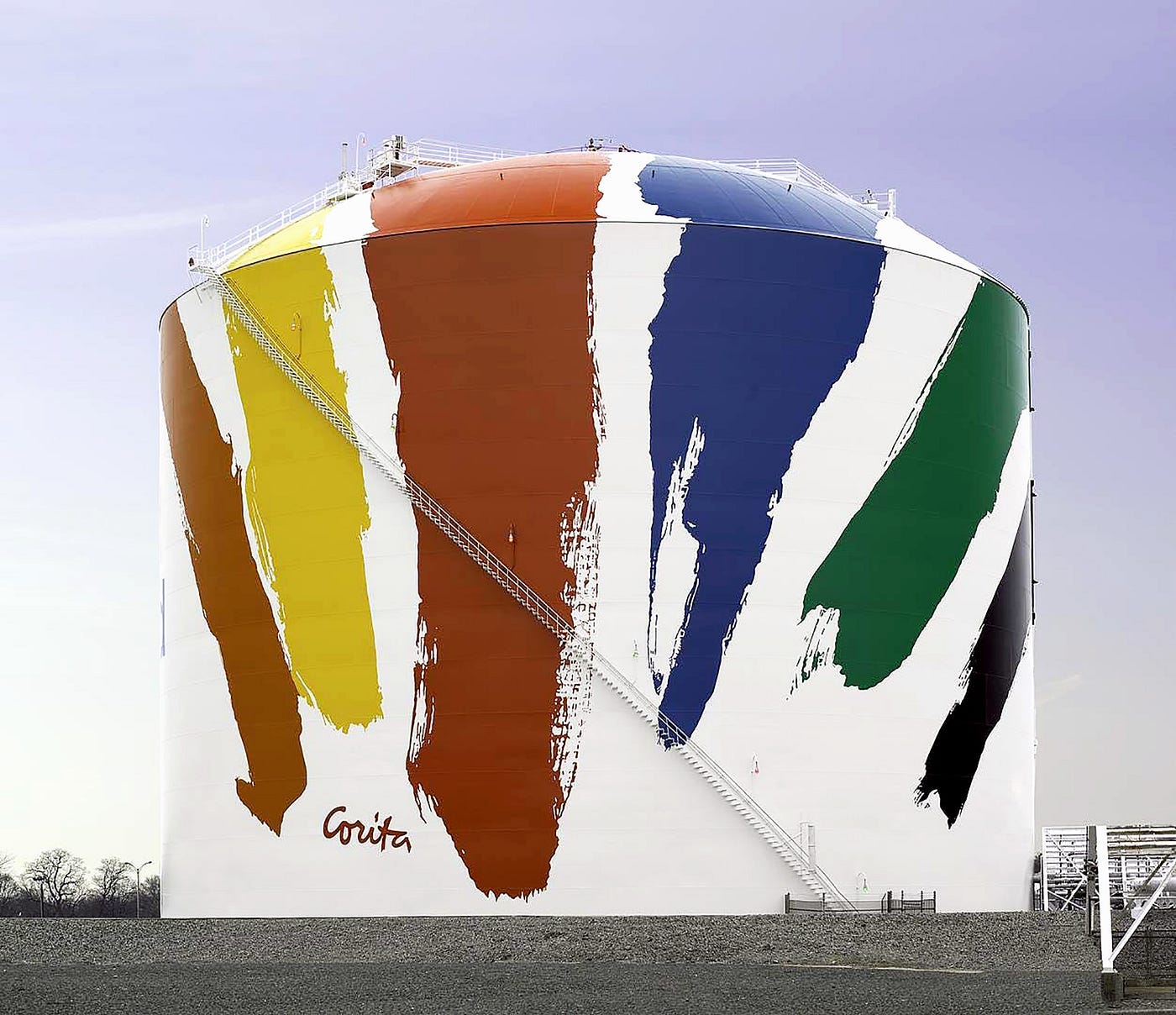
In 1971, she painted the Rainbow Swash on the side of Boston Gas Co.’s natural gas tank. Six strokes of color across a 150-foot surface. Still a Boston landmark. Still considered one of the largest copyrighted artworks in the world.
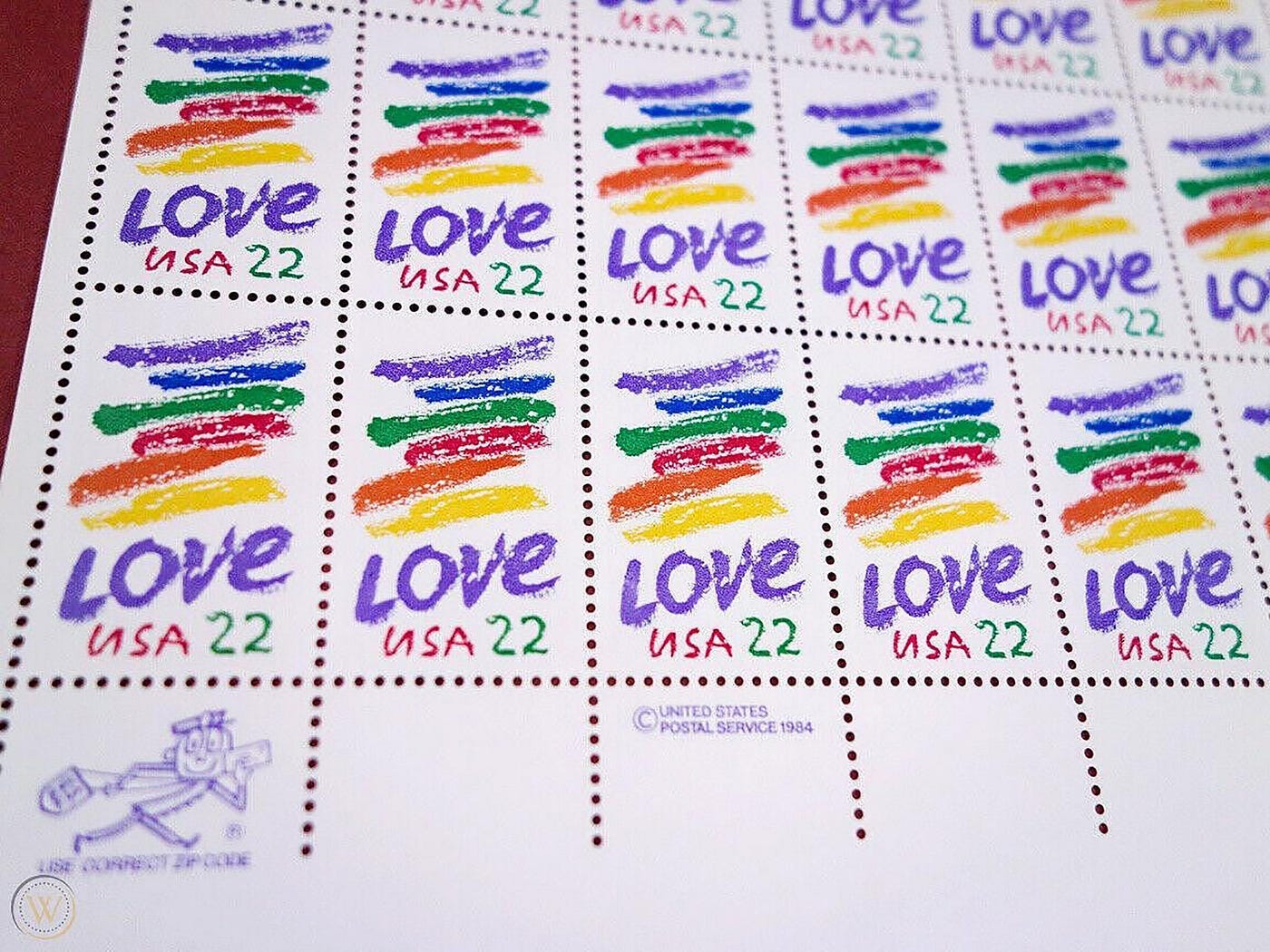
In 1985, she designed the Love stamp for the United States Postal Service. Six bright slashes of color. Over 700 million issued. She boycotted the official ceremony because the government held it on the set of The Love Boat. She said at the time: “The TV definition of love is nothing profound, and everything gets resolved in an hour. I think it’s dangerous to educate people that way.”
The work and the conviction were never separate.
Her philosophy
Corita believed creativity was a matter of permission, not talent. She said it plainly: “We can all talk, we can all write, and if the blocks are removed, we can all draw and paint and make things.”
The blocks she meant weren’t technical. Fear of being wrong, fear of making something imperfect, fear of wasting time. Her entire teaching practice was built around removing them.
After a cancer diagnosis in the early 1970s, her work shifted into a sparser, more introspective style. She remained active until she died in 1986, having created nearly 800 serigraph editions, thousands of watercolors, and countless public commissions.
Learning by Heart
Her principles were collected into a book with her student and collaborator Jan Steward. They worked across cities, by letter and phone, for years. Corita died before it was finished. Steward completed it.
Steward described her process: “She scribbled her teacher’s thoughts on pieces of paper, found copies of her lessons and collected stories from other former students. Then she threw each into a cardboard box that most closely matched a particular part of Corita’s curriculum.”
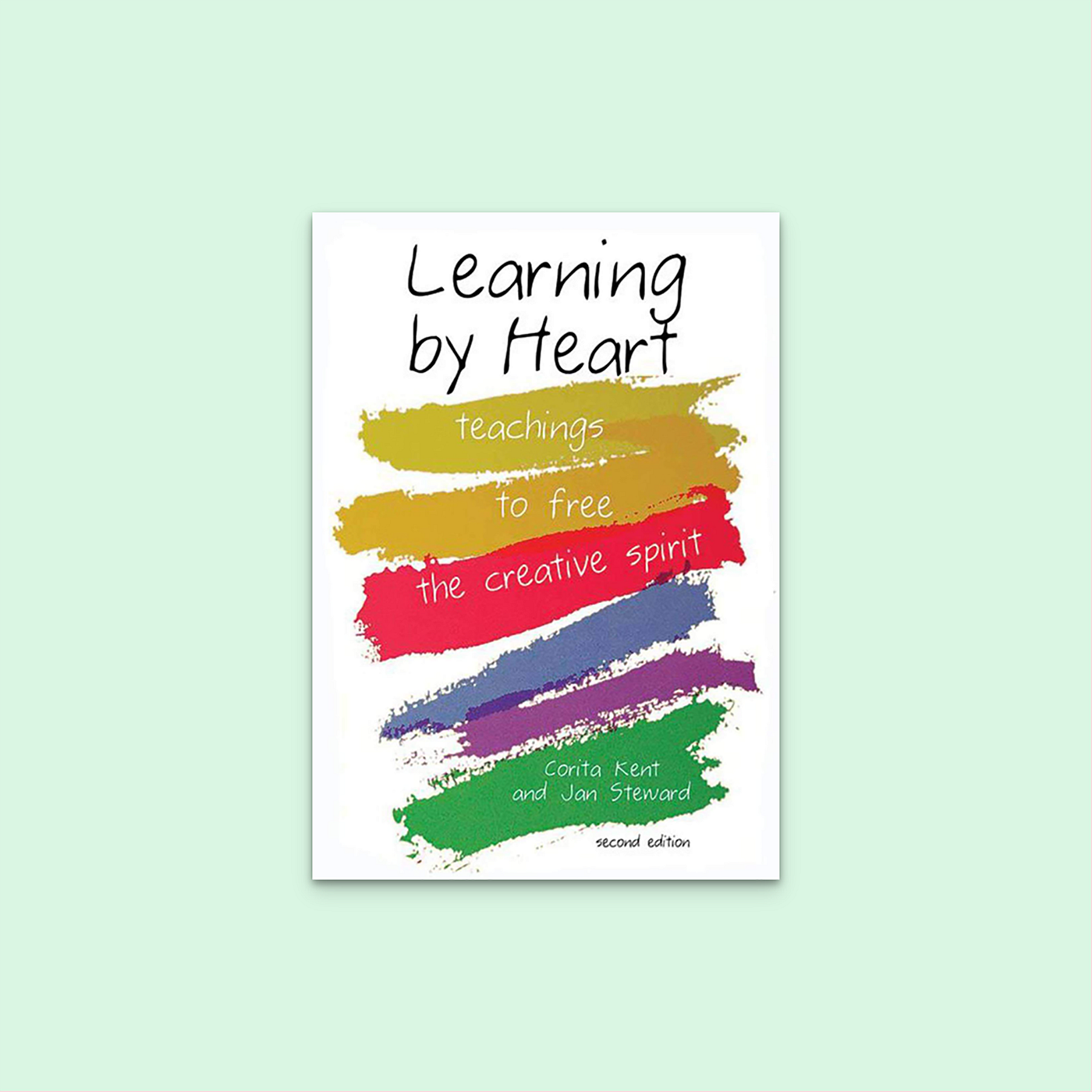
The chapters, Looking, Sources, Structure, Connect and Create, read less like lessons and more like reminders. The rules she taught are still widely shared today, often without attribution:
Find a place you trust, and then try trusting it for a while.
Consider everything as an experiment.
Nothing is a mistake. There’s no win and no fail, there’s only make.
The only rule is work. If you work, it will lead to something.
Don’t try to create and analyze at the same time. They’re different processes.
Be happy whenever you can manage it. Enjoy yourself. It’s lighter than you think.
Always be around. Read anything you can get your hands on. Save everything. It might come in handy later.
“Don’t try to create and analyze at the same time” is worth sitting with. That single rule accounts for more stalled creative work than any tool or brief ever has.
Corita Kent today
Corita died in 1986. Her rules are still widely circulated, often without her name attached. The work she made with a screen press and affordable materials is in museum collections. The Love stamp remains one of the best-selling in postal history.
She spent her career arguing that creativity is not a rare quality distributed to a few people. Her rules, her teaching, and her output were all evidence of the same position: the act of making is enough to start with.
Corita Art Center in downtown Los Angeles, California preserves and promotes Corita Kent’s art, teaching, and passion for social justice. Today, Corita Art Center supports exhibition loans and public programs, oversees image and merchandising rights, and serves as a resource and archive on her life and work.
You can explore her archive active at corita.org, with her full collection, videos, and educational resources.
Designer Portraits
This article is part of Designer Portraits, a series within Design, Explained.
We look at influential designers, not to celebrate style, but to understand judgment. How they thought. How they decided. Why their work still holds up when trends fade.
If you want to be notified when new Designer Portraits are published, subscribe to Design, Explained. No noise. Just clear thinking, delivered when there is something worth reading.
Thanks for reading.
— Bora.